What We Deliver
Healthcare leaders do not need more activity. They need better performance - measured as outcomes.
Healthcare leaders do not need more activity. They need better performance - measured as outcomes.

The Virginia-Washington DC Healthcare Financial Management Association (HFMA) 2026 Fall Conference runs September 30-October 2 at the Hilton Virginia Beach Oceanfront. HFMA describes its chapter as a network for knowledge-sharing, professional development, and preparation for regulatory, technology, and care-model change. That makes the conference a timely setting for finance and revenue cycle leaders to compare how they are protecting cash, capacity, and patient access while operating pressure remains high.
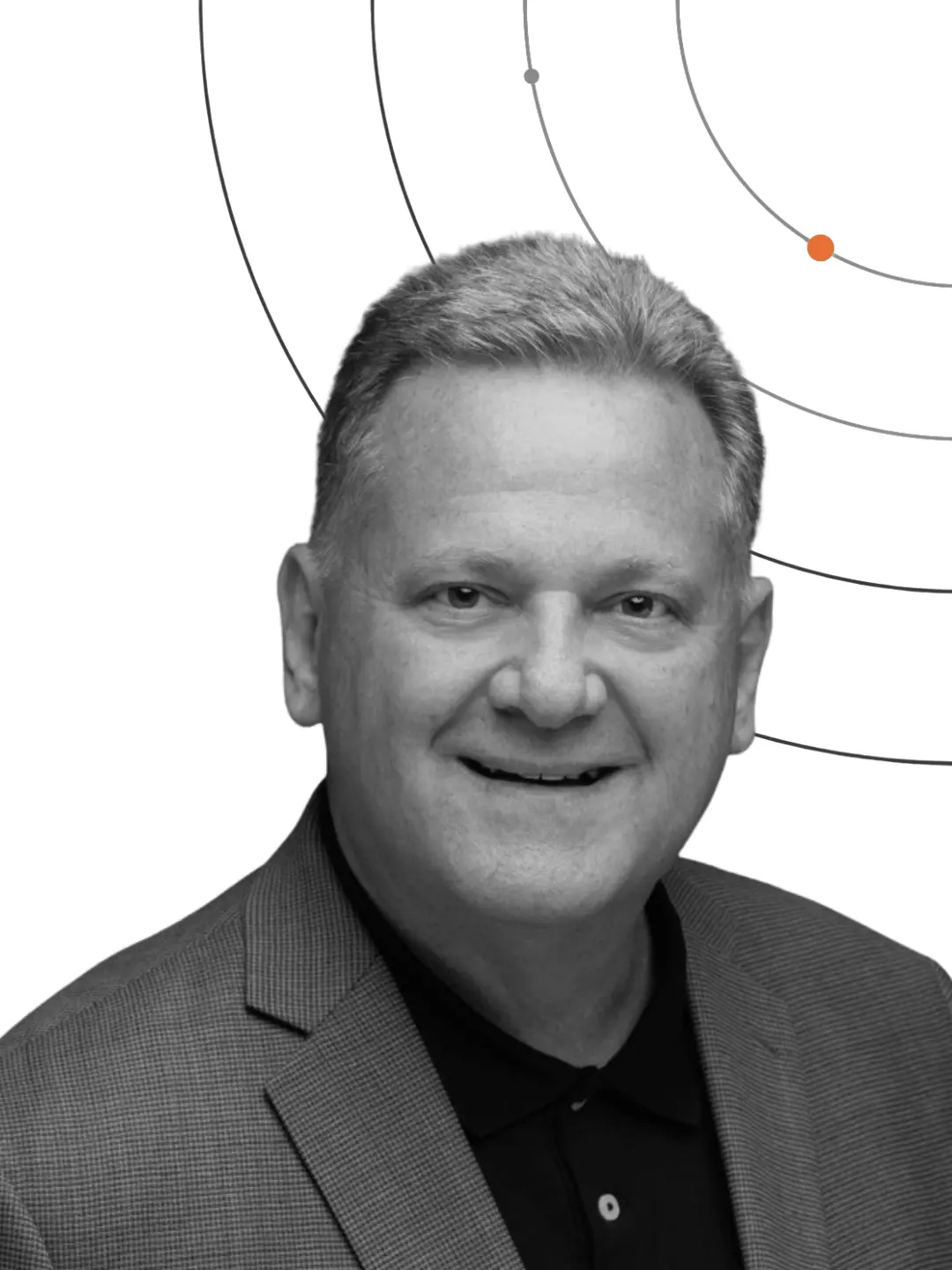
Mark Workinger, Vice President, New Client Growth, Vee Healthtek, will attend the Virginia-DC HFMA 2026 Fall Conference. Connect with him to compare where rework is consuming capacity, which first-pass controls can protect earned revenue, and how open accountability can make prevention, ownership, and financial impact visible. Bring the performance contradiction that is hardest to explain, such as strong claim acceptance with weak reimbursement, rising cash alongside rising labor, or better denial recovery without fewer denials.
Claim acceptance confirms that a payer received the claim, not that the organization received the correct amount. Compare expected and actual reimbursement to identify underpayments, contract variances and recurring payment errors that denial reports may miss because the payer accepted, adjudicated and paid the claim.
Higher collections can appear positive while the labor required to produce them continues to grow. Trace repeat touches, manual exceptions and downstream rescue work to their upstream sources, then determine which controls could eliminate avoidable work and create more scalable, sustainable improvements in cash performance.
Denial recovery protects revenue, but lasting improvement requires preventing the same defects from recurring. Connect denial patterns to patient access, eligibility, prior authorization, documentation and coding so leaders can identify the original failure, establish ownership and reduce dependence on increasingly expensive downstream intervention.
Automation creates value when it removes a manual exception rather than transferring it into another queue. Define the work that should disappear, the information the technology needs and the controls that will monitor accuracy, ownership and financial impact after the new workflow enters production.
Share the revenue cycle issue you want to solve. Meet Mark Workinger at the Virginia-DC HFMA Fall Conference and map the upstream cause, accountable owner, and next action clearly.
Continue exploring expert perspectives, industry trends, and practical strategies for improving revenue cycle performance.
Explore Points Of View