

Electrophysiology revenue depends on procedure authorization, mapping evidence, and complete device capture.
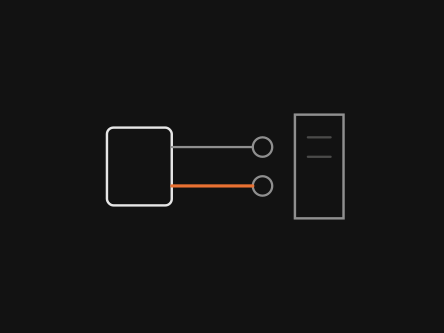
Electrophysiology revenue spans EP labs, hospital outpatient departments, ambulatory facilities, and cardiology groups. Authorization must match the planned ablation or device procedure. Arrhythmia diagnosis, mapping, intracardiac echo, leads, generators, and final reports must remain aligned before claims reach payer edits.
7 of top 20
U.S. health systems served
32M+
Coding charts processed annually
28M+
A/R claims managed annually
The planned procedure, EP report, device record, and claim must describe the same encounter.
EP claims depend on arrhythmia diagnosis, study components, ablation targets, mapping, device work, and payer policy. A procedural change can invalidate authorization or code selection. Specialty experts connect scheduling, EP reports, implant records, claims, and remittances. RevAmp surfaces mismatches and missing evidence before revenue ages.
Match authorization to ablation type, device, and care setting
Capture mapping, ICE, leads, and generators from procedure records
Apply bundling and modifier rules across combined EP services
Revenue support built around each EP procedure and monitoring episode.
Electrophysiology RCM must connect arrhythmia diagnosis, authorization, EP study, ablation, device work, and follow-up monitoring. Mapping and ICE need distinct support. Lead and generator details drive coding. Remote monitoring requires transmission and interpretation controls. Support follows each episode through final adjudication.
Front-office
EP procedure and payer-policy review - prevent ablation, device, and setting authorization denials.
Mid-office
EP report and implant-log reconciliation - preserve mapping, ICE, lead, generator, and revision charges.
Back-office
NCCI and monitoring-cadence validation - prevent bundled-service, duplicate, and eligibility denials.
Authorized procedures. Reconciled devices. Defensible EP payment.
Match payer approval to the planned ablation or device procedure
Clinical review connects arrhythmia diagnosis with the planned procedure. Authorization teams confirm ablation type, device, and care setting. Material plan changes route for payer review before avoidable denials occur.
Reconcile EP studies, mapping, ICE, and ablation documentation
Coding review compares planned and performed EP components. The report must support mapping, intracardiac echo, transseptal work, and ablation targets. Material gaps return before submission.
Reconcile device, lead, generator, and revision details
Implant logs and procedure reports identify device family, chamber, leads, generators, removals, and revisions. Supported details drive complete charge and code selection.
Resolve bundled-procedure and monitoring denials at the episode level
Denial analysis distinguishes bundled services from separately supported work. Modifier use follows documented circumstances. Remote monitoring claims require eligible transmissions, interpretation, and payer-aligned cadence.
Electrophysiology expertise connected to procedure-level accountability.
Expertise-led
Specialists understand EP studies, ablation, mapping, ICE, devices, leads, and monitoring rules.
- EP coders, authorization specialists, device analysts, billers, and denial experts
- A named lead connects authorization, procedure evidence, denials, and revenue impact
- Calibration covers ablation, EP studies, pacemakers, ICDs, CRT, and payer edits
Technology-powered
RevAmp connects authorizations, EP reports, implant records, claims, and remittances. Exceptions surface before EP revenue becomes rework.
- Rules prioritize authorization mismatches, missing components, device conflicts, and monitoring denials
- Dashboards link procedure completeness, device capture, monitoring eligibility, and cash
- Automation compares authorizations, EP reports, implant logs, claims, and remittances for expert review
Operationally-governed
Governance assigns owners to authorization, procedure evidence, device reconciliation, and payer exceptions.
- Reviews track authorization matching, mapping capture, device reconciliation, and monitoring denials
- Audits trace failures to scheduling, EP documentation, implant logs, coding, or payer configuration
- Operating reviews expose missing components, device mismatches, payer edits, and recoveries
Our Vision
Open Accountability: Owning EP revenue without controlling rhythm-care decisions.
EP leaders retain control of procedural standards, device selection, systems, and payer relationships. We bring specialty capacity, RevAmp intelligence, and measurable governance. Modular and co-managed models share procedure-level visibility. Agreed metrics remain accessible to provider leaders.

Authorization-to-procedure match
Ablation type, device, setting, and approval remain aligned
EP documentation completeness
Arrhythmia, study components, and ablation targets support coding
Mapping and ICE capture
3D mapping and intracardiac echo reach supported claims
Device-and-lead reconciliation
Implant logs and procedure records support complete device coding
Monitoring billing eligibility
Transmission and interpretation cadence supports recurring claims
Why Us
Why EP programs need procedure-to-monitoring revenue controls.
EP episodes cross authorization, mapping, ablation, implants, follow-up, and remote monitoring. Fragmented queues hide changed procedures and missing device details. First-Pass Performance connects authorization, report, implant, and claim evidence before denials emerge.
Rework-Powered Cleanup Machine
Our First-Pass Performance
Ablation and device authorization
Approval reflects one procedure while performed components or setting change.
Diagnosis, ablation type, device, and site align before the procedure.
EP study and ablation specificity
Coding relies on missing arrhythmia, induction, mapping, or ablation details.
The EP report supports each study and therapeutic component claimed.
Device and lead completeness
Leads, generators, removals, or revisions separate across records.
Implant logs and reports reconcile every device component before billing.
Bundling and modifier support
Combined EP services bill separately without distinct procedural evidence.
NCCI review and documentation support separately reportable procedural work.
Remote monitoring cadence
Monitoring bills without eligible transmission or interpretation evidence.
Transmission dates and clinician review support each monitoring period.
Revenue cycle thinking for leaders who need fewer surprises.
Explore Vee Healthtek perspectives on the forces reshaping revenue cycle performance, healthcare operations, technology adoption, and financial resilience.

Find where EP procedures lose device and mapping revenue.
Schedule a 30-minute working session with our electrophysiology revenue cycle lead. Bring one pressure point: ablation authorization, mapping capture, device reconciliation, NCCI edits, or remote monitoring. We will map its operational entry point and financial consequence. Your team retains clinical and system control.
Continue exploring expert perspectives, industry trends, and practical strategies for improving revenue cycle performance.
Explore Points Of ViewFrequently Asked Questions
How do you prevent ablation authorization mismatches?

How do you capture 3D mapping and intracardiac echo?
How do you reconcile pacemaker, ICD, CRT, and lead procedures?
How do you apply NCCI edits across combined EP procedures?
How do you bill remote device monitoring consistently?
Which metrics reveal electrophysiology leakage earliest?
How does RevAmp identify EP procedure and monitoring exceptions?