

Sleep Medicine revenue depends on the right study, complete signals, and continued-therapy evidence.
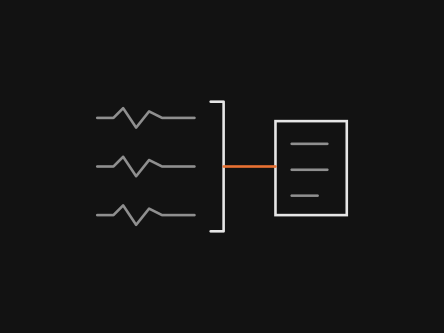
Sleep medicine spans physician practices, independent diagnostic testing facilities, hospital sleep laboratories, and virtual programs. Revenue depends on study selection, authorization, and usable recordings. Records must support HSAT, attended polysomnography, titration, and daytime testing. Billing must align channels, attendance, technical ownership, interpretation, diagnosis, and PAP follow-up.
7 of top 20
U.S. health systems served
32M+
Coding charts processed annually
28M+
A/R claims managed annually
A sleep study earns payment only when the order, recording, and interpretation agree.
Sleep testing crosses ordering, authorization, device deployment, acquisition, scoring, interpretation, and therapy coordination. One mismatch can change the billable study. Incomplete HSAT data may require repeat testing. Split-night documentation affects coding. Specialists connect each technical event to professional evidence. RevAmp exposes defects before payer edits or PAP coverage gaps appear.
Match HSAT or polysomnography to payer-approved indications
Reconcile recorded channels with the billed sleep study
Complete signed interpretations before professional billing stalls
Support built around HSAT selection, polysomnography configuration, interpretation, and PAP evidence.
Sleep programs need revenue cycle support that follows testing through continued therapy. Front-office teams must verify study type, setting, authorization, and benefit limits. Mid-office controls must align channels, attendance, scoring, interpretation, and components. Back-office teams must resolve diagnosis, reduced-service, place-of-service, and authorization denials before repeat studies create aged A/R.
Front-office
Study-type, setting, and authorization review - prevent noncovered sleep testing
Mid-office
Channel, attendance, scoring, and interpretation review - protect sleep-study coding integrity
Back-office
Component, place-of-service, and reduced-study analysis - stop recurring sleep denials
Protect sleep-study payment, interpretation revenue, and PAP continuity.
Choose the covered sleep-study pathway before scheduling
Symptoms, comorbidities, payer policy, and setting requirements guide HSAT or laboratory testing. The study does not begin under an incompatible authorization.
Align recorded channels with the reported study
Device type, parameters, attendance, and recording sufficiency drive code selection. Sleep-study claims reflect the test actually acquired.
Separate technical performance from professional interpretation
Equipment ownership, technologist services, scoring, and signed reports establish component responsibility. Duplicate or missing component billing does not delay payment.
Maintain PAP evidence after diagnosis and setup
Study results, prescription, setup, reassessment, and usage records remain connected. Continued therapy does not lose coverage through missing follow-up evidence.
Sleep-testing expertise, recording intelligence, and payer governance connected.
Expertise-led
Sleep specialists connect study configuration with payer and component rules.
- Coders calibrated on HSAT, polysomnography, titration, and daytime sleep tests
- Authorization specialists who track study type, setting, and approval windows
- Denial analysts who distinguish signal, interpretation, component, and policy failures
Technology-powered
RevAmp links order, recording, report, claim, and PAP exceptions.
- Rules flag channel conflicts, missing interpretations, and setting mismatches
- Dashboards connect authorizations, recording quality, denials, aging, and variance
- Prioritized queues route high-risk sleep exceptions before filing deadlines
Operationally-governed
Sleep-study performance follows evidence, ownership, and pathway milestones.
- Reviews track authorization match, usable-study rate, reports, and denials
- Audits convert recurring recording and coding defects into staff education
- Operating reviews expose payer edits, repeat studies, actions, and outcomes
Our Vision
Open accountability: Taking responsibility without taking control.
Sleep medicine leaders retain control of clinical protocols, laboratory standards, and equipment relationships. We bring specialists, RevAmp intelligence, and shared governance. Dashboards connect authorization status, study configuration, recording sufficiency, signed interpretation, component billing, denials, and PAP follow-up. Every exception carries a study, device, payer rule, owner, and resolution deadline.

Authorization-to-study match
Approved type, setting, dates, and units align with testing
Usable-study rate
Recordings contain sufficient channels and interpretable data
Interpretation completion
Signed reports support timely professional or global billing
Component-billing accuracy
Technical, professional, and global responsibility align
PAP follow-up completion
Required reassessment and usage evidence support continued coverage
Why Us
First-Pass Performance for HSAT, polysomnography, interpretations, and PAP follow-up.
Sleep-study defects move across technical and professional workflows. An authorization may cover the wrong setting. Missing channels can change HSAT coding. An unsigned interpretation can hold professional billing. First-Pass Performance connects order, acquisition, scoring, interpretation, claim preparation, and therapy follow-up before defects reach payment or interrupt continued PAP coverage.
Rework-Powered Cleanup Machine
Our First-Pass Performance
Study-type authorization mismatch
HSAT or laboratory coverage is corrected after testing.
Approved setting and study type guide scheduling before service.
Recording-channel conflict
Code selection is revised after claim or audit review.
Device parameters and usable signals reconcile before billing.
Interpretation completion gap
Professional claims wait while signed reports remain outstanding.
Report status is monitored against each completed sleep study.
Component-ownership confusion
Technical and professional claims overlap or disappear.
Equipment, scoring, and interpretation responsibility reconcile before submission.
PAP follow-up break
Continued-coverage evidence is chased after a device denial.
Setup, reassessment, and usage milestones remain visible from diagnosis onward.
Revenue cycle thinking for leaders who need fewer surprises.
Explore Vee Healthtek perspectives on the forces reshaping revenue cycle performance, healthcare operations, technology adoption, and financial resilience.
Trace where the sleep-study pathway stops supporting payment.
Schedule a 30-minute working session with our sleep medicine revenue cycle lead. Bring one pressure point: HSAT authorization, polysomnography configuration, split-night coding, interpretation completion, component billing, or PAP follow-up. We will trace the defect across the study pathway, identify its financial effect, and define controls while your team retains clinical control.
Continue exploring expert perspectives, industry trends, and practical strategies for improving revenue cycle performance.
Explore Points Of ViewFrequently Asked Questions
How do you decide whether HSAT or laboratory polysomnography can be billed?

How do recorded channels affect home sleep apnea testing codes?
How do you bill split-night polysomnography and PAP titration correctly?
When should sleep studies use professional and technical component modifiers?
How do you support continued PAP coverage after device setup?
Which KPIs matter for sleep medicine revenue cycle performance?
How does RevAmp prioritize sleep medicine denials and A/R follow-up?