

Urology revenue depends on procedure detail, anatomical precision, and episode-aware billing.
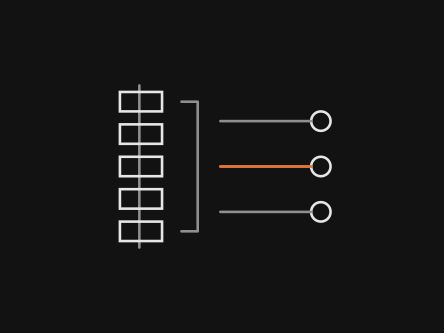
Urology spans physician practices, hospital outpatient clinics, ambulatory surgery centers, and office procedure suites. Revenue depends on authorization, anatomy, and treatment sequencing. Records must support cystoscopy, urodynamics, stone procedures, implants, and intravesical therapy. Coding must align technique, laterality, modifiers, drug units, supplies, and global-period relationships before billing.
7 of top 20
U.S. health systems served
32M+
Coding charts processed annually
28M+
A/R claims managed annually
Urologic procedures lose value when technique, anatomy, and episode context separate.
One encounter can combine evaluation, imaging, functional testing, endoscopy, drugs, and supplies. Cystoscopy variants depend on actual technique. Urodynamics require component-level evidence. Stone care may span staged procedures and global periods. Specialists connect authorization, documentation, coding, and payment. RevAmp exposes defects before payer edits turn complex urologic work into denials.
Select the cystoscopy code from documented technique
Reconcile urodynamics components with recorded testing
Link stone laterality, stents, and staged procedures across episodes
Support built around cystoscopy technique, urodynamics, stone episodes, and intravesical therapy.
Urology providers need revenue cycle support grounded in procedure and episode logic. Front-office teams must verify imaging, implant, drug, and surgical requirements. Mid-office controls must align technique, anatomy, components, laterality, and modifiers. Back-office teams must resolve bundling, global-period, site-of-service, and authorization denials before high-value services become aged A/R.
Front-office
Imaging, drug, implant, and procedure policy review - prevent authorization-to-service mismatches
Mid-office
Scope-note, urodynamics, laterality, and drug review - protect urology coding and charge integrity
Back-office
Bundling, global-period, and site-of-service analysis - stop recurring urology denials
Protect endoscopic procedures, functional testing, and therapy reimbursement.
Match cystoscopy selection to the work performed
Diagnostic inspection, biopsy, fulguration, stent work, or lithotripsy drive code choice. Claims do not understate or overstate the endoscopic procedure.
Build urodynamics claims from completed components
Pressure studies, flow testing, measurements, and interpretation reconcile with technical records. Missing or incompatible components do not trigger avoidable payer edits.
Carry anatomy and stage through the stone episode
Stone location, laterality, stent placement, and planned returns remain connected. Each stone procedure reflects its relationship to earlier treatment.
Reconcile intravesical drugs, administration, and units
Treatment plan, product, dose, instillation, wastage, and inventory signals align. Bladder-cancer therapy revenue does not disappear between clinical and billing records.
Urology coding expertise, procedure intelligence, and episode governance connected.
Expertise-led
Urology specialists connect anatomy, technique, and episode rules with payment.
- Coders calibrated on cystoscopy, urodynamics, stone procedures, and prostate services
- Authorization specialists who track imaging, implants, drugs, and surgical approvals
- Denial analysts who distinguish bundling, global, anatomy, and coverage failures
Technology-powered
RevAmp links procedure records, charges, claims, and payer responses.
- Rules flag cystoscopy conflicts, missing components, laterality, and global edits
- Dashboards connect authorization, coding quality, denials, aging, and variance
- Prioritized queues route high-value urology exceptions before filing deadlines
Operationally-governed
Procedure performance follows evidence, ownership, and episode-level financial risk.
- Reviews track cystoscopy accuracy, test components, authorizations, and denials
- Audits convert recurring scope-note and modifier defects into education
- Operating reviews expose payer edits, procedure variance, actions, and outcomes
Our Vision
Open accountability: Taking responsibility without taking control.
Urology revenue cycle leaders retain control of clinical protocols, scheduling, and payer relationships. We bring specialists, RevAmp intelligence, and shared governance. Dashboards connect authorization status, cystoscopy accuracy, urodynamics components, laterality, drug units, implants, denials, and payment variance. Every exception carries a procedure, anatomical site, payer rule, owner, and resolution deadline.

Cystoscopy coding accuracy
Reported service matches diagnostic or therapeutic technique
Urodynamics component accuracy
Completed technical and professional components align with claims
Authorization-to-procedure match
Approved imaging, drug, implant, and surgery services align
Laterality and modifier accuracy
Anatomy, bilateral logic, and episode modifiers match documentation
Intravesical drug reconciliation
Product, dose, administration, wastage, and payment reconcile
Why Us
First-Pass Performance for cystoscopy, urodynamics, stone care, and intravesical therapy.
Urology defects often cross procedure and episode boundaries. An incomplete scope note can change cystoscopy selection. A missing component can weaken urodynamics billing. An incorrect global modifier can deny staged stone treatment. First-Pass Performance connects authorization, anatomy, technique, supplies, coding, and episode history before defects reach claims or follow-up.
Rework-Powered Cleanup Machine
Our First-Pass Performance
Cystoscopy variant mismatch
Procedure selection is corrected after payer rejection.
Technique and operative detail guide coding before submission.
Urodynamics component gap
Testing elements are reconstructed during denial review.
Completed studies, measurements, and interpretation reconcile before billing.
Stone laterality loss
Anatomy and stent history separate across encounters.
Laterality, stone location, and procedure stage remain episode-linked.
Intravesical unit variance
Drug and administration differences surface after posting.
Dose, units, wastage, inventory, and payment reconcile together.
Global-period relationship error
Staged or unrelated work enters appeal after automated edits.
Episode history and modifier evidence are tested before claim release.
Revenue cycle thinking for leaders who need fewer surprises.
Explore Vee Healthtek perspectives on the forces reshaping revenue cycle performance, healthcare operations, technology adoption, and financial resilience.
Find where urologic procedure evidence stops supporting payment.
Schedule a 30-minute working session with our urology revenue cycle lead. Bring one pressure point: cystoscopy coding, urodynamics components, stone authorizations, laterality, global modifiers, drug units, or denials. We will trace the defect from procedure plan through remittance, identify its financial effect, and define controls while your team retains clinical control.
Continue exploring expert perspectives, industry trends, and practical strategies for improving revenue cycle performance.
Explore Points Of ViewFrequently Asked Questions
How do you distinguish diagnostic cystoscopy from therapeutic cystoscopy?

How do you prevent urodynamics component and bundling denials?
How do laterality and bilateral rules affect stone procedure billing?
How do you manage global-period modifiers for staged urology procedures?
How do you reconcile intravesical therapy drugs and administration?
Which KPIs matter for urology revenue cycle performance?
How does RevAmp prioritize urology denials and A/R follow-up?